Owning an enthusiast vehicle is a unique journey that combines mechanical passion, personal expression, and engineering appreciation. Whether you drive a classic muscle car, a turbocharged Japanese tuner, a precise European sports sedan, or a heavily modified modern daily driver, keeping your machine running at its peak requires a delicate balance. It is easy to get caught up in high-horsepower claims and aggressive cosmetic mods, but a truly great build stands on a foundation of immaculate mechanical health.
Modifying a vehicle without establishing a reliable maintenance baseline is a recipe for frustration, breakdown, and wasted money. To build a car that turns heads on the street and delivers exhilarating performance on backroads or track days, you need a holistic roadmap. By prioritizing essential engine care, optimizing chassis geometry, shielding your exterior finish, and working with top-tier specialists, you can elevate your driving experience while protecting your automotive investment.
Establishing a Healthy Mechanical Foundation
Sorting Essential Powertrain and Running Gear Needs First
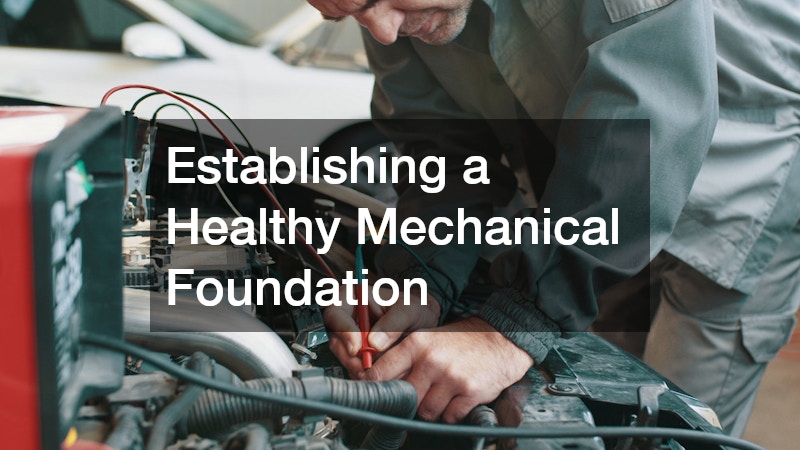
Before ordering aftermarket parts, ECU tunes, or aggressive aerodynamic body kits, every enthusiast must conduct an honest evaluation of their vehicle’s mechanical health. High-performance driving subjects engine components, bearings, and fluid systems to extreme thermal and mechanical stresses. If a stock engine has minor pre-existing issues—such as failing gaskets, degraded fluids, or worn ignition components—adding extra horsepower will quickly compound those vulnerabilities into catastrophic failures.
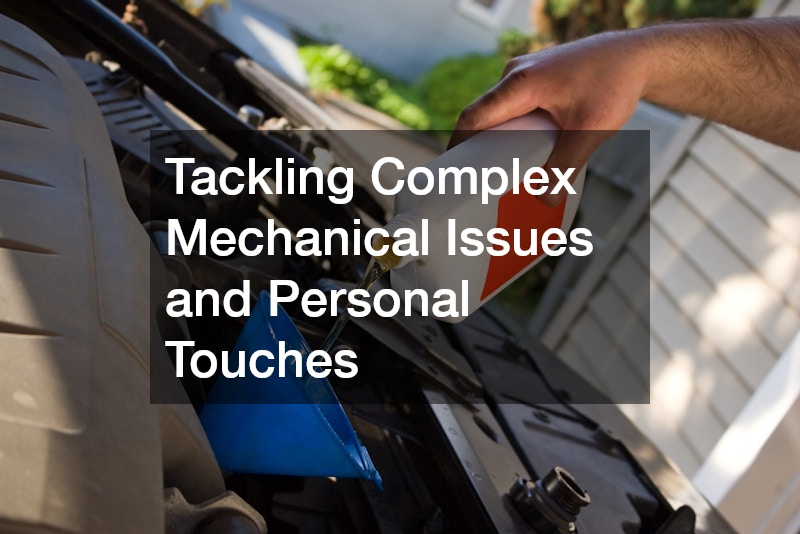
Fluid health is the single most important factor in keeping a high-revving engine alive. Engine oil cleans, cools, and lubricates delicate internal components, preventing metal-to-metal contact under high loads.
Under aggressive driving conditions, oil breaks down rapidly due to fuel dilution and extreme heat. Performing a routine oil change at shorter intervals than standard manufacturer recommendations ensures fresh additives are always protecting your bearings and valvetrain.
- Inspect Fluid Quality: Check transmission fluid, differential gear oil, brake fluid, and engine coolant for signs of thermal degradation, metallic sheen, or moisture contamination.
- Audit the Ignition System: Replace aging spark plugs and coil packs with correctly gapped, heat-range-appropriate units designed for your specific engine configuration.
- Check for Vacuum and Boost Leaks: Inspect rubber hoses, intercooler piping, and intake gaskets for subtle cracks that cause rough idling or lean air-fuel ratios under load.
Building a relationship with a trusted, highly skilled mechanic gives you a critical second set of eyes on your vehicle’s engine bay. A professional technician who understands performance applications can perform diagnostic leak-down tests, check timing chain tensioners, and catch subtle mechanical anomalies long before they leave you stranded on the side of the road.
Addressing Wear-and-Tear and Correcting Chassis Handling
Restoring Factory Handling and Fixing Mechanical Flaws
A truly engaging car is defined by how it corners, stops, and communicates road feedback through the steering wheel. As vehicles age, suspension bushings dry out, ball joints develop play, and shock absorbers lose their dampening ability. Replacing worn suspension hardware restores crisp steering response and eliminates annoying chassis clunks over bumps.
When addressing sudden handling issues, vibration, or steering wheel drift, prompt diagnostic attention is essential:
- Steering Wheel Vibration at Speed: Often caused by unbalanced wheels, bent rims, or improper toe alignment.
- Vehicle Pulling to One Side: Typically points to uneven camber settings, caster pull, or a dragging brake caliper.
- Rapid Inner or Outer Edge Tire Wear: A clear indicator of incorrect toe alignment scrub during highway driving.
- Clunking Noises Over Small Bumps: Usually signals worn sway bar end links, deteriorated control arm bushings, or blown struts.
Ignoring these early symptoms leads to premature tire degradation and puts extra strain on surrounding suspension components. Addressing minor flaws early prevents more extensive car repair work down the road, preserving both safety and handling response.
Once you replace worn suspension components—or install aftermarket lowering springs, coilovers, or adjustable control arms—your factory suspension geometry will be completely thrown out of spec. Modifying ride height alters camber, toe, and caster angles significantly.
Scheduling a precision vehicle alignment is non-negotiable after any suspension modification. Correcting toe settings ensures your tires stay planted flat on the pavement, eliminating high-speed stability issues, preventing inner-edge tire scrub, and maximizing cornering grip.
Protecting Exterior Finishes and Enhancing Cabin Comfort

Shielding Your Vehicle from Road Debris and Extreme Solar Heat
After securing your vehicle’s mechanical baseline and chassis performance, protecting its exterior and interior condition becomes a top priority. Driving enthusiasm often means highway cruises, track days, and canyon runs—environments where high-speed road debris, gravel, and tire rubber are constantly kicked up against your front bumper, hood, and side skirts.
Preserving factory paint requires modern, clear protection barriers. Investing in high-end paint protection film services provides an invisible, self-healing polyurethane shield over vulnerable high-impact zones. These durable films absorb rock strikes, prevent bug stain etching, and heal minor swirl marks when exposed to heat, keeping original body panels looking fresh without sacrificing clear coat depth.
Exterior defense should be paired with interior climate and material protection. Prolonged exposure to intense solar radiation dries out leather upholstery, warps dashboard plastics, and elevates cabin temperatures to uncomfortable levels during summer months.
- Block Harmful Infrared Heat: Modern ceramic solar films block over 90% of infrared heat without requiring extremely dark, illegal glass shades.
- Prevent Interior Fading: Premium window tinting screens out up to 99% of damaging ultraviolet rays, protecting vintage leather, Alcantara, and carbon fiber trim from fading or cracking over time.
- Reduce Nighttime Glare: High-quality window films reduce harsh headlight glare from trailing vehicles in your rear-view mirror, improving night-driving visibility and comfort.
Personalizing Aesthetic Appeal and Managing Bodywork
Executing High-Quality Cosmetic Enhancements and Structural Panel Work
Personalizing your vehicle’s exterior appearance is one of the most rewarding aspects of car culture. From subtle front lip splitters and rear diffusers to aggressive widebody conversions and custom fiberglass hoods, exterior body modifications allow you to tailor your machine’s visual presence to match your personal style.
However, aftermarket body panels rarely fit perfectly out of the box. Fiberglass and composite panels often require extensive hand-fitting, trimming, block sanding, and alignment to achieve tight, uniform factory panel gaps.
When dealing with deep paint scratches, custom body kit installation, or minor fender damage, partnering with an experienced auto body shop is vital. Skilled body technicians have the specialized tools and craftsmanship needed to align structural panels, fix fiberglass imperfections, and prep raw surfaces properly so paint adheres seamlessly.
Flawless paint execution separates average builds from show-stopping machines. A professional auto paint service utilizes computer-controlled color matching, high-grade primers, durable clear coats, and climate-controlled spray booths to deliver a glass-like, mirror finish.
Proper wet sanding and machine compounding following paint application eliminates orange peel, ensuring your custom bodywork looks like a seamless factory option.
Tackling Complex Mechanical Issues and Personal Touches
Balancing Custom Performance Work With Specialized Shop Repairs
As your project build progresses, you will eventually face major mechanical decisions—whether to rebuild a high-mileage engine, upgrade to a larger turbocharger, install an upgraded clutch, or rewire aging electrical harnesses. Knowing your personal garage limits prevents project burnout and expensive mistakes.
While routine oil changes and bolt-on intake upgrades are easily handled on jack stands at home, complex internal engine work, transmission overhauls, and advanced ECU calibration require specialized garage equipment and professional diagnostic computers.
Entrusting major component rebuilds to a dedicated auto repair facility ensures complex procedures are completed safely, accurately, and to exact torque specifications.
- Select Enthusiast-Friendly Facilities: Look for independent shops that specialize in your vehicle’s specific platform or brand family, as they possess specialized diagnostic software and model-specific tools.
- Verify Performance Experience: Ensure the shop understands aftermarket modifications and custom tuning requirements rather than strictly standard factory replacement procedures.
- Demand Detailed Work Orders: Ensure all diagnostic labor, replacement part numbers, and machining clearances are documented clearly for your vehicle’s service history file.
Integrating expert professional repairs with targeted, high-quality auto customizations allows you to build a unique, reliable machine. Whether adding a custom stainless steel exhaust system, upgrading to high-friction brake pads, or installing a standalone engine management unit, combining sound engineering principles with creative personal touches yields a balanced, dependable, and exhilarating vehicle.
Optimizing Brake Systems and High-Temperature Fluid Dynamics
Ensuring Fade-Free Stopping Power for Aggressive Driving
Acceleration gets all the attention in automotive discussions, but stopping power determines how fast you can actually drive with confidence. Stock brake systems are engineered for quiet, low-dust commute driving at moderate temperatures. When subjected to repetitive hard braking on backroads or track sessions, factory pads and fluid quickly overheat, leading to dangerous brake fade.
Upgrading your braking system starts with understanding kinetic energy and thermal management. As speed increases, kinetic energy rises exponentially, converting directly into intense heat at the brake rotor interface.
- High-Friction Pad Compounds: Replace organic commuter pads with semi-metallic or carbon-ceramic compounds engineered to maintain a stable coefficient of friction at temperatures exceeding 1,000°F.
- High-Boiling-Point Brake Fluid: Factory DOT 3 or DOT 4 fluid absorbs moisture over time, lowering its boiling point and causing a squishy pedal under hard use. Flushing with high-temp synthetic fluid restores a firm pedal feel.
- Stainless Steel Braided Lines: Factory rubber brake hoses expand under high hydraulic pressure. Swapping to braided stainless lines prevents hose expansion, ensuring instant pedal response.
- Slotted or Drilled Rotors: Upgraded rotors vent trapped gases, sweep away brake dust, and dissipate heat away from the wheel hubs far more efficiently than smooth blank rotors.
Properly bedding in new pads and rotors is a crucial step that many DIYers skip. Executing a series of controlled, high-speed slowdowns deposits an even layer of friction material onto the rotor surface, preventing vibration and ensuring maximum stopping power when you need it most.
Mastering Electronic Tuning and Fuel System Architecture

Safely Unlocking Horsepower Through Precision Engine Management
Modern engines are controlled by complex engine management systems that monitor hundreds of parameters per second. While factory tunes prioritize fuel economy, broad emissions compliance, and low-octane fuel tolerance, custom ECU recalibration unlocks hidden performance potential safely.
However, increasing boost pressure or advancing ignition timing without supporting hardware increases the risk of engine knock or lean fuel conditions. Upgrading your electronic tune requires a holistic approach to fuel delivery and air intake.
To support higher engine output, inspect and upgrade these critical supporting systems:
- High-Flow Fuel Pumps: Increased airflow demands additional fuel mass; upgraded in-tank or inline pumps prevent dangerous pressure drops at high RPM.
- Larger Fuel Injectors: Ensure your fuel injectors operate below an 80% duty cycle at full throttle to avoid static open states that cause lean spikes.
- Cold Air Intake Systems: Replace restrictive factory airboxes with smooth, thermal-insulated intake pipes to supply cooler, denser oxygen to the turbocharger or throttle body.
- Wideband O2 Monitoring: Install an aftermarket wideband air-fuel ratio gauge to monitor real-time fuel mixtures directly from the driver’s seat during hard acceleration.
Always have custom tuning performed on a chassis dynamometer by a certified calibration engineer. Real-time dyno monitoring allows technicians to optimize air-fuel ratios, torque delivery curves, and knock thresholds safely, ensuring your modified powertrain produces reliable horsepower without risking internal engine damage.
Systematically Upgrading Your Performance Build
To maximize your budget and avoid installing parts that conflict with one another, follow a logical, step-by-step upgrade path:
- Phase 1: Maintenance Baseline & Safety: Refresh all engine fluids, address brake wear, replace worn suspension bushings, and install sticky performance tires appropriate for your driving style.
- Phase 2: Chassis & Thermal Management: Upgrade brake pads and fluid to high-temp formulas, install a high-efficiency aluminum radiator, and tune suspension alignment for predictable handling.
- Phase 3: Bolt-On Power & Sound: Add free-flowing intake and exhaust components, install an upgraded intercooler or oil cooler, and recalibrate the ECU on a chassis dynamometer to optimize power delivery safely.
- Phase 4: Exterior Styling & Protection: Fit aftermarket aero components, execute custom paint or bodywork, and apply protective paint films and window tint to shield your completed investment.
Focusing on functional performance first ensures your chassis can safely handle extra horsepower, keeping your build balanced and confidence-inspiring on any road.
The Value of Long-Term Automotive Stewardship
Building an exceptional enthusiast car is a marathon, not a sprint. By respecting the engineering foundations of your vehicle, staying ahead of routine maintenance schedules, and investing in high-quality parts and professional trade services, you eliminate the reliability headaches that often plague modified cars.
Take pride in every aspect of your build—from the invisible mechanical repairs underneath the chassis to the brilliant paint finish reflecting the open road. Prioritize structural health, keep your fluids fresh, protect your paint and cabin from the elements, and enjoy every mile behind the wheel of a machine built right.