The immediate aftermath of a car accident is almost always a blur of adrenaline, paperwork, and stress. Once you have confirmed that everyone involved is safe and unharmed, your attention naturally shifts to your vehicle. For most people, a car is not just a major financial investment; it is a vital lifeline for work, family, and daily life. Seeing it damaged is incredibly disheartening.
However, the real danger often begins after the crash, when owners attempt to navigate the complex world of vehicle restoration. It is dangerously easy to look at a freshly painted bumper or a replaced fender and assume that everything is back to normal. Modern automobiles are highly sophisticated machines engineered with complex safety structures, sensitive computer networks, and finely tuned mechanical components.
What looks like minor cosmetic damage on the surface can easily mask severe, deep-seated issues underneath the sheet metal. If these problems are left unaddressed, they can lead to premature wear, unpredictable handling, or catastrophic failure during a subsequent crash. This comprehensive guide will walk you through the essential steps, from the scene of the accident to the final detailing process, to ensure your vehicle is genuinely safe, structurally sound, and restored to its true pre-accident condition.
Immediate Post-Crash Logistics and Legal Protections

Securing Your Vehicle Safely from the Scene
The moments immediately following an impact are critical for preventing secondary damage to your vehicle’s mechanical systems. Before you even consider moving your vehicle, you must perform a quick visual assessment if it is safe to do so. Look underneath the engine bay for active fluid leaks. Puddles of bright green, pink, or orange liquid indicate a compromised cooling system, while dark amber or black fluids signal engine oil or transmission fluid loss. Running an engine that is starved of coolant or oil, even for a few minutes to move it to a shoulder, can instantly destroy the motor. If you notice these leaks, or if the wheels are misaligned or rubbing against the body panels, the vehicle should not be driven under any circumstances. You will need to arrange for a flatbed towing service to transport your car to a secure holding yard or a certified repair facility. A flatbed is vastly superior to a traditional hook-and-chain truck because it keeps all four wheels off the ground, eliminating the risk of drivetrain damage during transit.
Navigating Fault, Liability, and Legal Remedies
While your vehicle is being safely transported, you must simultaneously protect your financial and legal interests. Documenting the scene with clear photography of all vehicles involved, road conditions, and traffic signs is standard practice, but you must also think about the long-term valuation of your asset. A vehicle that has been involved in a significant collision inherently loses market value, a concept known in the automotive and legal industries as diminished value. Even if the car is repaired perfectly, its accident history will appear on vehicle history reports, reducing its future resale value. To ensure you are fully compensated for this loss and to protect yourself if the other driver’s insurance company attempts to cut corners on your repair estimate, consulting with a qualified car accident lawyer can be an invaluable step. A legal professional who specializes in these cases can help you navigate the complex claims process, ensure that the insurance company honors its obligations, and fight for a settlement that covers both visible repairs and hidden structural depreciation.
Structural Integrity and Advanced Structural Repair
Demanding a Digital Frame Alignment Diagnostic
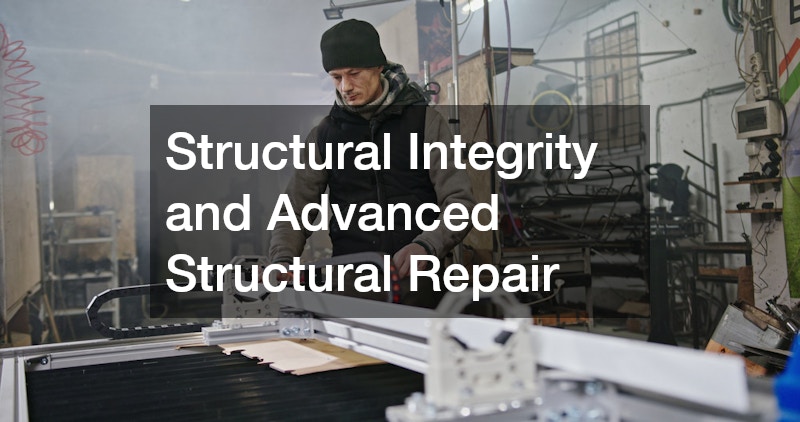
When a vehicle experiences an impact, the energy is designed to travel through specific paths called crumple zones. These zones intentionally deform to absorb the force of the crash, protecting the human occupants inside the cabin. However, this means that even a moderate blow to the front or rear can transmit enough energy to twist, bend, or crack the vehicle’s underlying frame or unibody structure. Visual inspections are completely inadequate for detecting frame damage. A frame can be warped by just a few millimeters—completely invisible to the naked eye—yet this microscopic distortion will fundamentally alter how the vehicle handles, cause rapid and uneven tire wear, and prevent the suspension from tracking straight. When you select a facility for your collision repair, you must demand that they perform a 3D digital laser frame alignment. This diagnostic tool uses laser measurements to compare your vehicle’s current dimensions against the exact factory blueprint. The vehicle must be anchored to a specialized frame machine that uses hydraulic pressure to carefully pull the metal back into factory-specified tolerances before any cosmetic work begins.
Prioritizing OEM Parts Over Aftermarket Alternatives
As the structural work begins, you will likely face a choice regarding the types of components used to rebuild your vehicle. Insurance companies frequently push for the use of aftermarket, salvage, or alternative parts to reduce the overall cost of the claim. While these parts may look identical on a shelf, they are rarely manufactured to the same rigorous standards as Original Equipment Manufacturer parts. For structural items like bumper reinforcement bars, radiator core supports, and door intrusion beams, using anything other than factory-certified parts can be incredibly dangerous. Minor differences in metal thickness, alloy composition, or weld placement can completely alter how those parts react in a future accident. To achieve a flawless auto body repair, insist that the shop uses genuine factory components. These pieces are guaranteed to fit perfectly without being forced or modified, maintaining the exact crash-testing ratings and structural safety margins that the vehicle possessed when it originally rolled off the assembly line.
Mechanical Audits and Restoring the Drive
Uncovering Hidden Drivetrain and Handling Damage
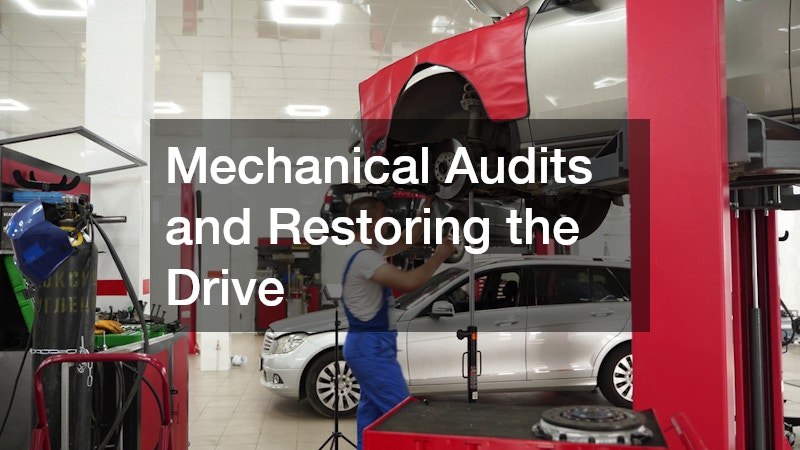
Once the structural skeleton of the vehicle is confirmed to be straight and true, the focus must shift to the mechanical components that directly dictate how your vehicle drives. The kinetic energy of an accident does not stop at the bumper; it travels through the wheels and tires directly into the steering and suspension systems. Components like tie rods, control arms, steering knuckles, and struts are strong, but they are not designed to take sideways impacts from a curb or another vehicle’s tire. Even if a wheel looks undamaged, the internal bearings or the steering rack itself may have suffered stress fractures.
- Be highly alert to a steering wheel that is no longer centered when driving straight.
- Watch for a persistent pull to the left or right when you relax your grip on the wheel.
- Listen closely for unusual humming, whining, or clicking noises coming from the wheels, which indicate failing bearings or CV joints.
- Feel for unusual vibrations through the steering wheel or floorboards at highway speeds.
Addressing these symptoms requires specialized auto suspension repairs executed by technicians who understand geometry and metallurgy. A comprehensive mechanical audit should always include a full four-wheel alignment check, an inspection of the steering column couplings, and a teardown of the brake assemblies on the impacted side to check for hairline cracks in the calipers or rotors. Finding a reputable facility for local auto repairs ensures that you have access to technicians who can diagnose these subtle mechanical anomalies before they escalate into dangerous failures on the highway.
Resetting and Calibrating Electronic Safety Systems
Modern vehicles are essentially rolling computers, and a post-accident mechanical audit is incomplete without a deep dive into the electronic architecture. When an impact occurs, the vehicle’s Supplemental Restraint System logs crash data and triggers safety protocols. Even if your airbags did not deploy, the seatbelt pretensioners may have fired, locking the belts into a fixed position to hold you secure. These components must be replaced entirely after a crash. Furthermore, almost all modern cars are equipped with Advanced Driver Assistance Systems, which include radar sensors in the front bumper, ultrasonic sensors in the rear fascia, and cameras mounted behind the rearview mirror.
- Adaptive cruise control sensors must be perfectly calibrated to accurately judge distances.
- Lane-keep assist cameras require precise alignment to read lane markings correctly.
- Blind-spot monitoring radars must be calibrated after any rear bumper work to prevent false alerts or missed hazards.
- The steering angle sensor must be digitally reset so the stability control system knows exactly which way the wheels are pointed.
A certified repair facility must connect your vehicle to an advanced diagnostic scanner to perform a pre-repair scan to identify hidden fault codes and a post-repair scan followed by a dynamic road calibration to ensure every safety system is online and functioning flawlessly.
Navigating Estimates and Aesthetic Restoration
Managing Claims and Choosing Certified Mechanics
One of the most frustrating aspects of the post-accident process is dealing with the financial and bureaucratic hurdles of insurance claims. Many drivers fall into the trap of believing they must take their vehicle to the specific repair shop recommended by their insurance company. This is a myth. In almost every jurisdiction, consumers have the legal right to choose any shop they trust to work on their vehicle. Insurance-preferred shops often operate under agreements that prioritize cost-cutting and rapid turnarounds over meticulous thoroughness. When searching for a local auto repairs facility, look for certifications from independent organizations like I-CAR or specific manufacturer-backed repair networks.
When you receive the initial estimate from the insurance adjuster, treat it as a preliminary guess rather than a final budget. In virtually every collision case, once the technicians begin the teardown process—removing the damaged bumper skins, fenders, and trim pieces—they will discover additional hidden damage beneath. A professional shop will pause the work, document these new findings with photographs, and submit a supplemental claim to the auto insurance company. Navigating these supplements requires patience, but it is the only way to ensure that the insurance company pays for a complete and proper restoration rather than a superficial patch job.
Revitalizing the Cabin Environment and Aesthetics
The final phase of bringing your vehicle back to top condition involves addressing the interior environment and cosmetic finishes. The interior of a car suffers immensely during a crash, even if no passengers were injured. If the airbags deployed, the cabin will be coated in a fine, powdery residue consisting of cornstarch or talcum powder mixed with microscopic chemical byproducts from the airbag’s solid-fuel inflator. This dust can easily become embedded in the carpets, seat fibers, and headliner, causing respiratory irritation if not thoroughly extracted. Furthermore, if any windows were shattered, tiny shards of tempered glass can find their way into the seat tracks, air conditioning vents, and deep within the upholstery seams, posing a lingering safety hazard.
- Thorough vacuuming and extraction of all seating surfaces to remove glass shards and chemical dust.
- Deep cleaning of the ventilation system to ensure the cabin air filter is replaced and ductwork is free of debris.
- Repairing or replacing damaged interior panels, trim pieces, and deployed airbag covers to restore structural integrity to the cabin dashboard.
- Conditioning leather and fabric surfaces to erase scuffs or marks made by emergency personnel or towing operators.
To handle these specific interior challenges, you will want to seek out specialized auto interior repairs to mend torn leather, cracked plastics, or deployed steering wheel hubs. Once the mechanical, structural, and interior structural elements are completed, the vehicle should be handed over to professional local auto detailers. A master detailer will not just wash the exterior; they will perform multi-stage paint correction to ensure that the newly painted panels blend seamlessly with the original weathered paint. They will also perform deep hot-water extraction on the interior textiles, eliminate lingering chemical odors, and apply protective coatings to the entire vehicle. This final step is crucial not just for visual vanity, but for restoring the comfort, cleanliness, and pride of ownership that the accident stripped away.
Bringing a vehicle back to a state of flawless operation and safety after an accident is a journey that requires diligence, patience, and an unwillingness to compromise. It is a process that spans multiple disciplines, requiring the expertise of structural engineers, mechanical technicians, electronics experts, and detailing professionals. By understanding the hidden complexities of your vehicle, from the critical nature of 3D frame alignment to the necessity of digital safety system calibration, you can actively advocate for your vehicle’s welfare throughout the repair lifecycle.
Remember that you are the ultimate custodian of your vehicle’s safety. Do not let insurance companies rush the timeline or pressure you into accepting subpar components or incomplete diagnostic scans. Insist on working with certified professionals who respect the engineering that went into building your car. When you finally turn the key and drive away from the repair facility, you should feel the exact same sense of security and reliability that you enjoyed before the crash occurred. Taking a methodical, comprehensive approach ensures that your vehicle will continue to protect you and your passengers for thousands of miles to come.