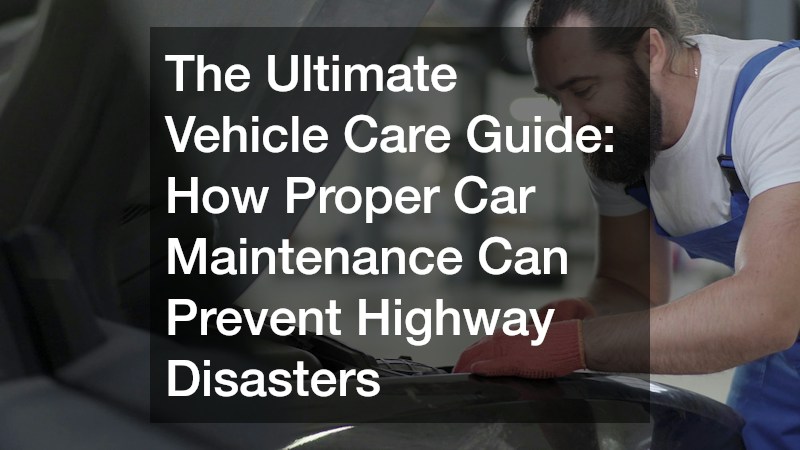
Every time a vehicle rolls out onto the open road, it becomes an integral part of a complex, fast-moving ecosystem. Driving is so second nature for most people that it’s easy to forget the immense physical forces involved in operating a machine at highway speeds. A well-maintained vehicle provides a smooth, reliable ride, but an neglected machine can quickly transform into a hazardous obstacle. While many drivers associate car care with simple aesthetic pride—keeping the paint shiny, the interior clean, and the curb appeal high—the reality is that vehicle maintenance serves as the first line of defense for public safety.
Mechanical failures at high speeds do not just result in inconvenient breakdowns on the shoulder; they frequently trigger catastrophic chain-reaction events that disrupt traffic flow, endanger lives, and cause severe structural damage to public infrastructure. Understanding the dynamic connection between basic mechanical upkeep and overall road safety is essential for every driver. From the precise calibration of internal mechanical parts to the integrity of structural frame components, every system in an automobile works in harmony to ensure stability and control. When one element breaks down due to prolonged wear or deferred attention, it creates a dangerous ripple effect that impacts everyone sharing the road. Roadway safety is a shared responsibility, and maintaining your personal transport is one of the most effective contributions you can make toward preventing dangerous situations.
High-speed highways demand absolute precision from every mechanical assembly, as higher velocities leave virtually zero margin for driver error or equipment malfunction. A sudden tire failure or steering lockup at top speed turns a routine commute into an unmanageable crisis within milliseconds. Furthermore, the modern transport network relies heavily on the predictable behavior of every participant, meaning that one failing vehicle places dozens of surrounding motorists in immediate jeopardy. Drivers often underestimate how quickly minor operational flaws can aggregate into systemic mechanical disasters when subjected to continuous heat, stress, and friction over long distances.
1. Daily Vigilance for Smooth Highway Journeys
Establishing a consistent routine for checking basic vehicle components helps catch minor issues before they escalate into dangerous situations on high-speed roadways. Regular inspection of fluids, tire pressure, and warning lights ensures that your automobile remains predictable and safe under demanding driving conditions. Taking a few extra minutes each week to examine the overall state of your machine can prevent unexpected failures during long trips. Committing to proactive care ensures optimal efficiency and lowers the risk of major mechanical issues down the road. High-speed travel places continuous stress on underlying mechanical systems, making small oversights much more consequential over time. Neglecting routine checkups allows minor fluid leaks or slight tire pressure drops to slowly erode performance, eventually setting the stage for sudden on-road emergencies. If you encounter persistent performance issues or warning indicators during these checks, seeking professional auto repair services will keep your vehicle functioning at its peak.
- Monitor fluid levels, including oil, coolant, and transmission fluid regularly
- Check tire tread depth and maintain correct inflation pressure weekly
- Inspect windshield wipers and exterior lights for complete visibility
2. Safeguarding Your Braking Power
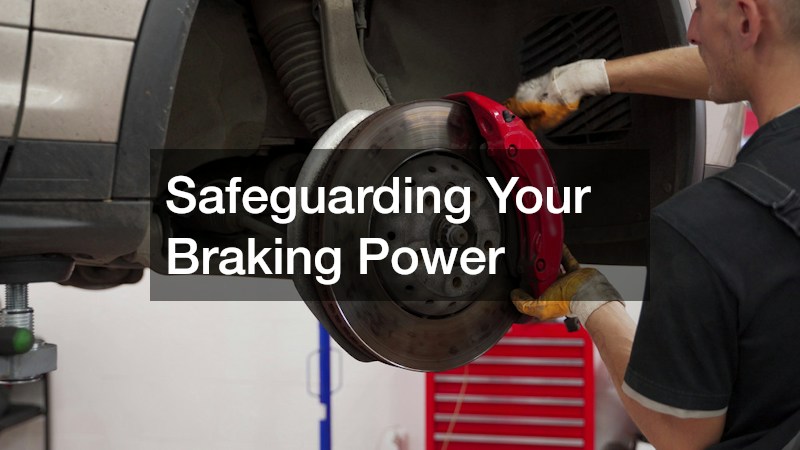
The ability to bring a vehicle to a rapid, controlled stop is the most critical safety feature of any automobile. Over time, friction wears down essential stopping components, reducing their responsiveness and increasing stopping distances significantly during sudden traffic slowdowns. Driving with worn pads or compromised fluid can lead to catastrophic brake failure on busy highways, placing you and surrounding drivers in immediate danger. Thermal stress during prolonged high-speed stopping can quickly cause fluid boiling or rotor warping if components are already degraded. Scheduling a timely brake repair ensures that your stopping system retains the necessary pressure and grip to handle emergency maneuvers safely. Keeping these components in top condition ensures your vehicle can handle sudden stops with absolute precision and stability.
- Listen for squealing, grinding, or unnatural noises when stopping
- Watch for steering wheel vibrations or pulling during deceleration
- Inspect fluid reservoirs for leaks or sudden drops in level
3. Preserving Stability and Tire Alignment
Proper contact between your tires and the asphalt is vital for maintaining balance, steering precision, and traction during high-speed travel. Continuous impact with potholes, road debris, and uneven pavement can cause severe stress to structural wheel assemblies, leading to uneven tire wear or sudden blowouts. When a wheel loses its balance or structural integrity, the driver loses control, creating a severe hazard for surrounding traffic. Structural distortions in tire rims also place abnormal stress on suspension bearings, leading to accelerated wear across adjacent mechanical assemblies. Arranging for a professional wheel repair restores the precise geometric balance required for smooth handling and prevents dangerous vibration at highway speeds. Addressing these minor imperfections immediately protects your tires and ensures maximum stability on every trip.
- Check rims for visible bends, cracks, or surface damage
- Balance tires periodically to eliminate high-speed steering wheel shake
- Align wheels regularly to ensure uniform tire tread wear
4. Securing Heavy Loads and Towing Hardware
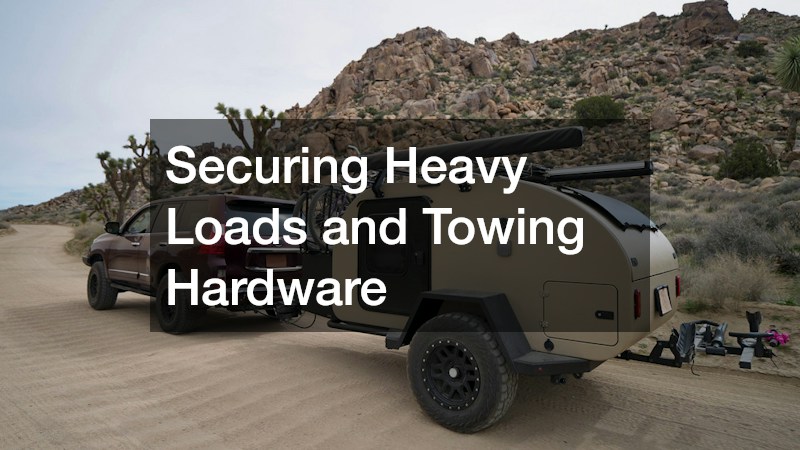
Transporting trailers, boats, or extra cargo requires specialized equipment that must endure immense stress and tension while driving at high speeds. Weak or improperly installed connecting points can snap or disconnect under heavy loads, sending uncontrolled trailers drifting across active lanes of traffic. Wind shear and sudden directional changes create massive lateral forces on rear hitch points, making proper installation and rating non-negotiable. To ensure absolute safety when pulling heavy equipment, installing a certified hitch for towing guarantees a secure connection between your vehicle and the extra load. Inspecting attachment points, safety chains, and trailer wiring before setting off prevents disastrous highway disconnections and ensures a safe journey for everyone on the road.
- Verify tongue weight capacity matches the specific payload requirements
- Double-check safety chains, locking pins, and electrical harness connections
- Inspect mounting hardware for signs of rust, stress cracks, or looseness
5. Enhancing Structural Integrity and Visibility
Clear, unobstructed vision through the windshield is mandatory for accurate decision-making behind the wheel, especially during adverse weather conditions or high-speed driving. Even minor chips or hairline cracks can compromise the structural integrity of the front glass, leaving it vulnerable to sudden shattering from road debris impacts or pressure changes. Furthermore, cracked glass disrupts the proper deployment of passenger airbags during a collision, weakening the cabin structure and compromising roof strength during rollover events. Investing in prompt window glass replacement restores clear visibility and reinforces the safety cell of your automobile, protecting passengers against external hazards.
- Address minor stone chips immediately before temperature changes expand them
- Use proper defrosting techniques to avoid thermal shock to compromised glass
- Replace cracked windshields promptly to preserve passenger airbag support
6. Managing Engine Vitality and Cooling
The internal combustion system generates extreme thermal and mechanical energy, requiring continuous lubrication and cooling to operate without self-destructing. When cooling systems fail or lubrication degrades, overheating can lead to sudden engine seizure, stalling your machine in the middle of fast-flowing highway lanes. Overheated motors can also spew oil or hot coolant onto hot exhaust components, posing an immediate risk of underhood fires. Maintaining fresh fluids, clean filters, and functional belts keeps internal components moving freely without excessive heat buildup. Regularly monitoring temperature gauges and addressing minor fluid leaks prevents severe mechanical failures, keeping your vehicle running reliably through long highway stretches and heavy traffic gridlock without unexpected power loss.
- Change engine oil and filters at manufacturer-recommended intervals
- Flush cooling systems periodically to remove scale and rust buildup
- Inspect drive belts and hoses for signs of cracking or wear
7. Powering Heavy Duties with Heavy Maintenance
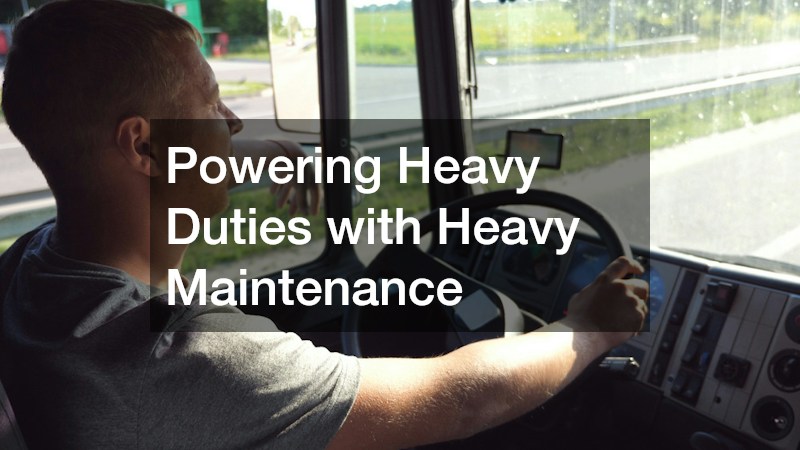
Large commercial and utility vehicles operate under immense strain, carrying heavy cargo loads and running for extended periods without rest. The demanding nature of these powerful vehicles means that internal components suffer rapid wear if not monitored carefully by qualified technicians. Ignoring fuel system contamination, turbocharger wear, or cylinder pressure drops can lead to complete engine failure on major transportation corridors. The structural weight of commercial transports compounds every mechanical issue, making an engine stalling event far more dangerous on high-speed interstate routes. Utilizing specialized diesel truck repairs ensures that these heavy-duty engines retain their power, fuel efficiency, and mechanical dependability under maximum operational demands.
- Replace fuel filters frequently to prevent injector contamination
- Monitor exhaust gas recirculation and particulate filter systems regularly
- Check air intake systems to ensure proper combustion airflow
8. Precision Machining for Internal Components
When internal motor parts suffer severe wear or structural distortion, standard parts replacements are often insufficient to restore proper operational tolerances. Severe overheating or prolonged oil starvation can warp metal surfaces, damage cylinder walls, and ruin crankshaft alignment. Precision machining rectifies microscopic unevenness that would otherwise cause binding, rapid friction wear, or premature internal engine destruction under high load conditions. Giving these worn internal assemblies to expert engine machine shops allows for exact metal resurfacing, cylinder boring, and precise balancing of moving parts. Restoring these internal tolerances to factory specifications eliminates friction, prevents internal metal fatigue, and ensures long-term operational reliability for your vehicle.
- Resurface cylinder heads to eliminate fluid leaks and warpage
- Bore and hone cylinders for proper piston ring seal and compression
- Balance crankshafts and connecting rods to minimize internal engine vibration
9. Systemic Overhauls for Long-Term Reliability
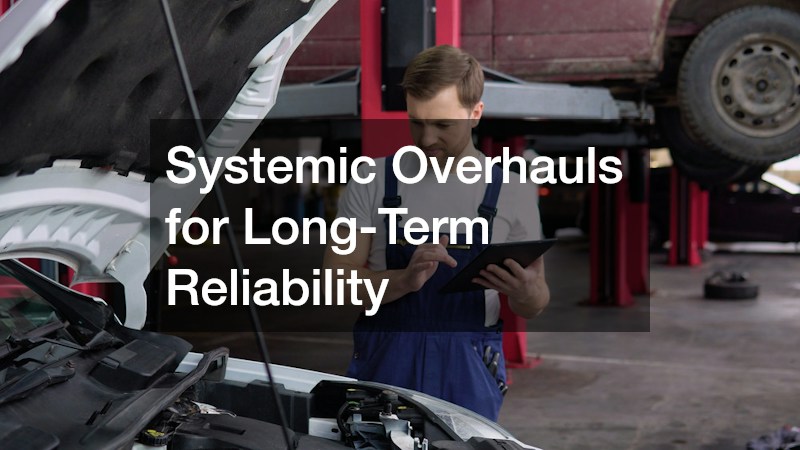
As vehicles age and rack up high mileage, minor adjustments are no longer enough to guarantee absolute safety and performance on the road. Major mechanical overhauls become necessary to address deep-seated wear in the transmission, steering rack, and internal motor assemblies. Aging rubber bushings, worn tie rods, and slipping transmission clutches continuously degrade handling accuracy and throttle response over time. Taking proactive measures to rebuild or replace tired mechanical systems prevents sudden failures that leave drivers stranded in hazardous locations. Investing in a comprehensive car repair restores old vehicles to safe operating standards, extending their lifespan and keeping the roadways free from unexpected mechanical obstacles.
- Inspect suspension bushings, ball joints, and tie rods for excessive play
- Overhaul aging transmissions to prevent gear slipping and power loss
- Replace worn steering components to ensure crisp, responsive handling
10. Navigating Legal Obligations After Highway Mishaps
Even when a driver follows every maintenance rule diligently, unpredictable events and driver errors can still lead to dangerous collisions on high-speed roadways. In the aftermath of a major highway incident, navigating insurance claims, medical bills, and property damage liability requires specialized legal knowledge. Identifying whether a crash was triggered by driver distraction, roadway hazards, or deferred vehicle upkeep requires detailed investigation and accident reconstruction. Consulting an experienced auto accident attorney helps injured parties protect their rights, investigate root causes like mechanical failure or driver negligence, and secure fair compensation. Having knowledgeable legal guidance ensures that victims can focus on recovery while professionals handle complex legal proceedings.
- Document scene details, vehicle damage, and environmental conditions thoroughly
- Obtain official police reports and medical records immediately after an incident
- Seek legal counsel before signing insurance settlement agreements
Managing a vehicle requires continuous dedication, ranging from simple weekly checks to major mechanical overhauls when parts reach the end of their operational lifecycle. Every system inside an automobile plays a critical role in maintaining control, power, and safety when driving at elevated speeds. Ignoring minor warning signs, unusual noises, or slight vibrations might seem harmless in the short term, but deferred attention frequently leads to severe mechanical breakdowns when the machine is placed under heavy stress.
By prioritizing routine auto maintenance, drivers actively reduce the risk of unexpected breakdowns, ensure predictable vehicle handling, and protect the financial investment they’ve made in their transportation. Continuous mechanical care also maximizes fuel economy, reduces harmful emissions, and prevents premature degradation of vital chassis elements. Furthermore, maintaining proper structural integrity, braking efficiency, tire health, and towing connections transforms every automobile into a safer, more reliable part of the broader traffic system.
Taking early action to address wear and tear guarantees that your vehicle remains a dependable tool for travel rather than a hazard to public safety. When every motorist takes accountability for the state of their machine, highways become significantly safer, traffic flows more smoothly, and catastrophic mechanical disconnections are successfully prevented. A well-maintained vehicle represents a commitment not only to personal safety but also to the security of every family traveling alongside you. Committing to consistent care keeps your vehicle performing at its absolute best while ensuring that every journey ends safely for you, your passengers, and your fellow drivers.