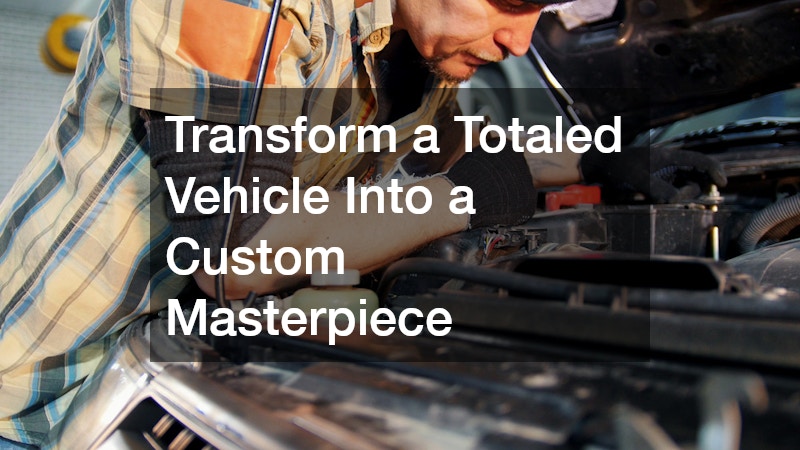
Reviving a vehicle that the insurance company has written off is the ultimate test of a builder’s patience, skill, and vision. It is more than just a repair job; it is a creative resurrection. When you take a totaled car and decide to turn it into a custom masterpiece, you are looking past twisted metal and shattered dreams to find a platform with untapped potential. This journey requires a strategic balance between structural restoration and high-end aesthetic modification. By following a disciplined workflow, you can ensure that your salvage project isn’t just a “fixed” car, but a bespoke machine that turns heads at every corner.
Modern salvage auctions are filled with vehicles that are technically “totaled” but possess perfectly straight frames and healthy drivetrains. In many cases, the high cost of cosmetic components or modern safety sensors triggers a total loss payout, leaving an opportunity for a dedicated builder to acquire a high-performance base for a fraction of its market value. The key to a successful transformation is knowing which battles to fight and which vehicles to walk away from.
Assessing the Damage and Moving the Project Safely

The first phase of any salvage build is the assessment. Before any wrenches turn, you must perform a forensic audit of the vehicle’s condition. This involves checking for frame rails that are kinked, inspecting the A-pillars for stress cracks, and looking for signs of water intrusion in the electrical harnesses. A vehicle that has suffered a heavy side-impact might have unresolvable geometry issues, whereas a front-end collision often involves replaceable “bolt-on” components like radiators and core supports.
If the vehicle is non-operational, your first logistical hurdle is getting it to a workspace where you can actually tear it down. Hiring a professional local towing company is the safest way to transport a compromised frame without causing further secondary damage. Using a flatbed is highly recommended for salvage builds to ensure the suspension isn’t stressed during the haul.
- Verify the title status (Salvage vs. Junk/Parts Only).
- Check for “hidden” damage behind plastic bumpers.
- Document every missing bolt or broken clip during the initial walk-around.
Once the car is in your shop, safety becomes the priority. If you plan on running the engine to diagnose mechanical gremlins in an enclosed space, you must manage the fumes. Implementing a high-quality car exhaust extraction system in your garage will keep the air breathable while you perform those crucial initial engine tests. This is particularly important for cars that have been sitting for a long time, as old fuel and fluids can produce more toxic vapors than usual.
Restoring Structural Integrity and Safety Essentials
A masterpiece is nothing if it isn’t safe to drive. The foundation of any salvage build lies in the metalwork and the stopping power. You cannot skip the heavy lifting when it comes to the chassis; if the “skeleton” is crooked, your body panels will never align, and the car will never track straight on the highway. This phase is often the most expensive part of the build, but it is the one area where compromise is not an option.
Working with a shop that specializes in collision repair services is often necessary to pull the frame back to factory specifications using a laser-guided frame machine. This step ensures that the car’s crumple zones and safety features will actually function if you ever face another impact. A professional shop can also provide a computer-generated report proving the car is within millimeter-perfect alignment.
- Measure cross-sections of the engine bay to ensure symmetry.
- Inspect airbag deployment sites for heat damage to the wiring.
- Sand down and treat any surface rust that occurred while the car sat in the yard.
Once the frame is true, shift your focus to the components that keep the car on the road. A comprehensive brake repair is mandatory for any vehicle that has been sitting or involved in a wreck, as heat damage or seized calipers are common in totaled units. Upgrading to braided lines or performance pads during this stage adds that “custom” touch while enhancing safety. Remember that salvage yard cars often have rotors that have rusted beyond the point of resurfacing, so plan for a full hardware replacement.
Mastering the Entry and Interior Access
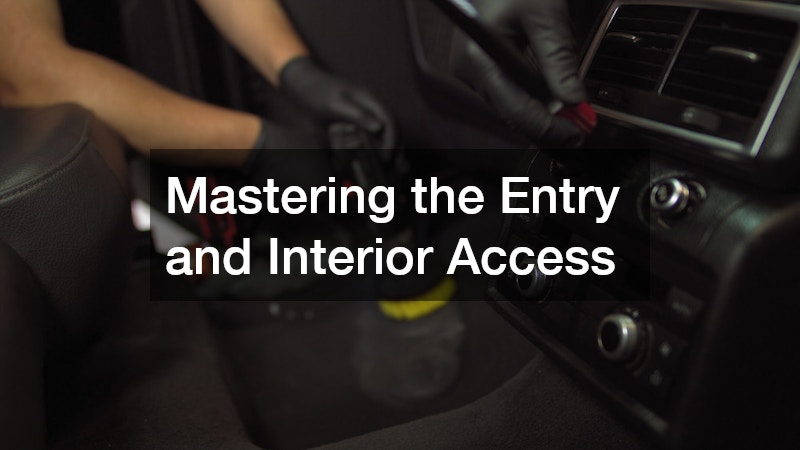
One of the most overlooked hurdles in buying a salvage car from an auction is the lack of access. Many totaled vehicles arrive with missing keys or locked-out security modules. This is often because the insurance adjuster took the keys, or they were lost during the recovery process. Rather than forcing a door and damaging the trim, you should approach the entry process with professional finesse to preserve the interior for its eventual custom overhaul.
Reaching out to a local auto locksmith allows you to reset the car’s immobilizer system and cut new transponder keys without damaging the ignition cylinder. This is especially vital for modern builds where the electronics are tied directly to the key fob’s unique signature. Attempting to bypass these systems yourself can often lead to “bricking” the ECU, resulting in thousands of dollars in unnecessary costs.
- Inventory the interior for missing trim pieces or deployed curtains.
- Check the seat tracks for warping if the car was in a heavy side-impact.
- Remove the carpets to inspect the floor pans for corrosion or buckling.
While the interior is being addressed, you should also look at the integrity of the cabin’s “seal.” If the previous owner left the car exposed to the elements after the accident, check for mold or electrical corrosion. A clean slate inside is just as important as a shiny exterior when you are aiming for a masterpiece-level finish. You might consider an ozone treatment to remove the “auction yard smell” before you begin installing high-end custom upholstery or sound systems.
Perfecting the Glass and Environmental Control
The glass of the car is a major focal point for aesthetics. Cracked glass is a common trait of salvage vehicles, and it’s an area where you can combine a necessary fix with a significant visual upgrade. On modern cars, the glass is often a stressed member of the body, meaning it contributes to the overall rigidity of the vehicle. Replacing damaged panes is not just about looks; it is about restoring the car’s structural envelope.
Consulting a specialized auto glass service ensures that your new windshield is bonded correctly to the frame, preventing leaks that could ruin a custom interior. Opting for high-clarity or OEM-spec glass provides the best foundation for the next aesthetic step in your build. Make sure the technician checks the “pinch weld” area for any rust or debris that might prevent a perfect seal.
- Inspect the rear window heating elements for continuity.
- Replace weatherstripping and window seals to prevent wind noise.
- Check the operation of window motors and regulators while the panels are off.
To give the car that premium look, high-performance auto tinting is a must-have modification. Beyond the visual appeal, quality ceramic films protect your custom upholstery from UV damage and keep cabin temperatures low during summer drives, making the car as functional as it is stylish. This also provides an extra layer of privacy for any high-end audio equipment you might have installed in the cabin.
Finalizing Mechanical Performance and Sound
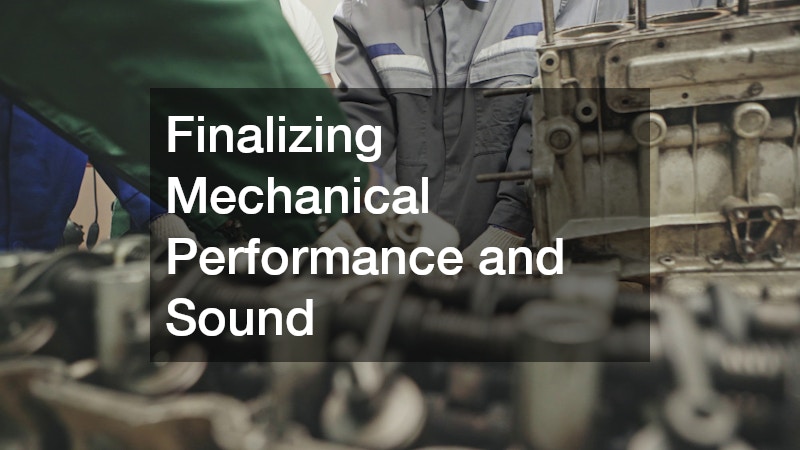
With the car looking like a car again, it’s time to focus on the soul of the machine. A salvage build gives you the perfect excuse to delete restrictive factory components in favor of high-performance alternatives that scream “custom.” Since you are likely already replacing damaged parts, the cost difference between an OEM replacement and a performance upgrade is often negligible.
A full muffler replacement is one of the most cost-effective ways to change the personality of your vehicle instantly. Choosing a stainless steel, high-flow unit will not only shed weight compared to the bulky stock part but also provide the aggressive growl that sets a masterpiece apart from a standard repair. Pair this with a custom header or downpipe to fully unlock the engine’s acoustic potential.
- Flush every fluid in the car, including the power steering and differential.
- Inspect the engine mounts for cracks, as these often fail during collisions.
- Test the cooling system under pressure to find leaks in the radiator or hoses.
However, if during the mechanical phase you realize the engine is beyond saving or the costs are spiraling out of control, you need a backup plan. Sometimes, the smartest move is to cut your losses by contacting a local cash for cars buyer to recoup your funds, allowing you to pivot to a cleaner shell for your next vision. There is no shame in admitting that a project has become a “money pit” if the structural damage is more extensive than first thought.
Protecting the Custom Finish and Final Details
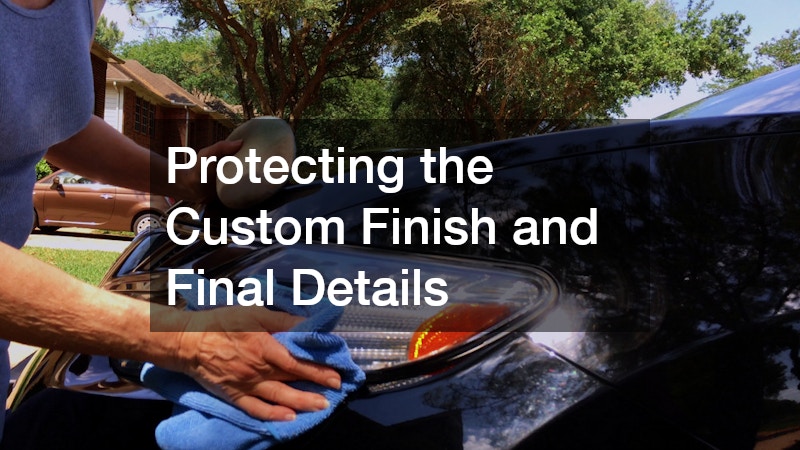
The final stage of your transformation is the “jewelry” — the paint and the protective layers that ensure your hard work lasts for years. When you have spent hundreds of hours on bodywork and custom paint, the last thing you want is for a stray rock or environmental debris to ruin the finish on your first outing. The final assembly requires a steady hand and an eye for detail, as this is where the car truly becomes a masterpiece.
Investing in professional paint protection services, such as a clear bra or a high-end ceramic coating, is the best way to shield your investment. These coatings make the car easier to clean and provide a deep, mirror-like gloss that defines a show-quality build. For a custom car, this step is non-negotiable because repainting custom colors or blends is significantly more difficult than standard factory shades.
- Wet-sand and buff the clear coat to achieve a “liquid” look.
- Align every body gap using plastic shims for a factory-plus fit.
- Restore or replace all exterior emblems and trim pieces for a fresh look.
Take the time to go over every nut and bolt one last time. Adjust the panel gaps, polish the trim, and ensure the lighting is crisp. This attention to detail is what separates a “rebuilt wreck” from a “custom masterpiece.” When the light hits the new curves of the car, you will know that the effort was worth the result.
The psychological aspect of finishing a build is just as important as the physical labor. Driving a car that you saved from the crusher provides a unique sense of pride. You aren’t just driving a vehicle; you are driving a testament to your own problem-solving abilities. Every time you shift gears or hear the exhaust note, you are reminded of the obstacles you overcame to bring the car back to life.
Maintain a strict service schedule as you begin to put miles on the car. Salvage builds can sometimes reveal “ghost” issues like a slightly loose ground wire or a slow leak that only appears under high-pressure driving. Checking the torque on your suspension bolts after the first 500 miles is a safety step that every builder should take. Your goal is to prove that a salvage title can be just as reliable and refined as a clean-title car if the work is done with integrity.
Showing off a salvage-to-masterpiece build often starts conversations with other enthusiasts who are looking for inspiration for their own projects. Sharing your knowledge about frame straightening, custom paint, or performance tuning helps keep the car culture alive. You have transformed a piece of scrap into a rolling work of art, and that is a feat worth celebrating.
The journey from a totaled salvage unit to a custom masterpiece is one of the most rewarding experiences a car enthusiast can have. It teaches you the intricacies of every system in the vehicle, from the frame rails to the final clear coat. While the path is often filled with unexpected challenges, the result is a one-of-a-kind machine that carries your personal signature in every weld and every polish. By prioritizing safety and structural integrity before moving on to the high-end aesthetic mods, you create a vehicle that is not only beautiful to look at but also a joy to drive.