The lure of chasing horsepower has never been stronger. In an era where a simple software flash via an OBD-II port can unlock 50 to 100 additional horsepower in a turbocharged engine, enthusiasts are constantly tempted to push their vehicles beyond factory specifications. Social media feeds, dyno video clips, and forum threads glorify peak horsepower figures, making it seem as though building a fast car is as easy as buying a few bolt-on parts and uploading an aggressive tune.
However, professional technicians view horsepower through a fundamentally different lens. To an experienced mechanic, an engine is not an isolated generator of speed; it is merely one component in a complex, interconnected mechanical system. Every horsepower and pound-foot of torque generated by an engine must travel through a transmission, down a driveshaft, through a differential, across axle shafts, and finally into the tires before it pushes a vehicle down the road. Furthermore, every increase in kinetic energy demands an equal increase in heat dissipation, chassis rigidity, and stopping power.
The Power-to-Reliability Trade-Off: Factory Margins and Thermal Load
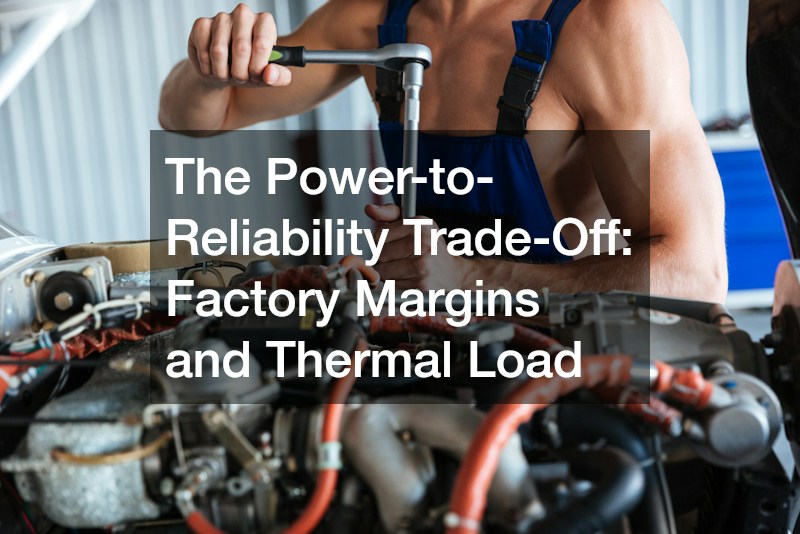
When modern auto manufacturers design a performance engine, they engineer a balance between power, fuel efficiency, emissions compliance, and long-term durability. Factory components are designed to withstand specific thermal and mechanical stress limits with a built-in safety margin. This safety buffer allows an engine to operate reliably whether it is sitting in bumper-to-bumper traffic on a hot summer day or climbing a mountain pass with a trunk full of luggage.
When you modify an engine to generate significantly more power, you consume that engineered safety margin. The primary enemy of a modified engine is not mechanical stress alone, but thermal load. Pushing more air and fuel into combustion chambers elevates cylinder temperatures dramatically. This excess heat rapidly saturates stock cooling systems, causing engine oil to break down, coolant temperatures to spike, and sensitive electronic sensors to fail prematurely.
- Oil Degradation: High thermal loads reduce the viscosity of engine oil, compromising the protective oil film between high-speed rotating parts like crankshaft bearings and camshaft lobes.
- Thermal Expansion: Excessive heat causes internal aluminum and steel engine components to expand beyond designed tolerances, increasing internal friction and risk of scoring cylinder walls.
- Heat Soak: Stock top-mount or small front-mount intercoolers become heat-soaked after a single hard acceleration run, causing the ECU to pull ignition timing to prevent engine detonation.
To protect an engine from thermal destruction, supporting cooling modifications should always precede power upgrades. Installing an upgraded aluminum radiator, a high-efficiency oil cooler, and a larger front-mount intercooler ensures that your engine dissipates excess heat effectively, allowing it to produce repeated power runs without sacrificing internal components.
Supporting Drivetrain Upkeep and Emergency Contingencies
Increasing an engine’s torque output subjects every component downstream of the flywheel to stress levels for which they were never designed. Stock clutches begin to slip, automatic transmission clutch packs overheat and burn out, and factory engine mounts tear under the severe rotational twist of hard acceleration.
In addition to drivetrain wear, pushing factory engine internals beyond their structural limits increases the risk of catastrophic mechanical failure. Cracked ring lands on cast aluminum pistons, bent connecting rods, and blown head gaskets are common occurrences when aggressive custom tunes are paired with stock internal hardware. When an engine suffers catastrophic failure, repair costs escalate rapidly beyond standard maintenance budgets.
Sourcing a healthy used engine becomes necessary when aggressive custom tunes push factory pistons and rods beyond their structural limits, leaving a hole in the engine block. Furthermore, budgeting for specialized auto repair services ensures that complex drivetrain, fuel delivery, and ECU calibration failures are diagnosed correctly using professional diagnostic tools rather than guesswork.
- Clutch and Flywheel Upgrades: Single-mass flywheel conversions and heavy-duty friction plates are required to hold increased torque without slipping or overheating.
- Differential and Axle Protection: Upgrading to high-strength axle shafts and installing differential bracing prevents housing flex and ring-and-pinion gear destruction during hard launches.
- Dedicated Emergency Reserves: Maintaining a liquid cash reserve dedicated strictly to mechanical repairs prevents a blown engine from causing personal financial hardship.
Stopping Power and Chassis Control: Upgrading Brakes and Suspension
One of the most dangerous mistakes performance enthusiasts make is focusing entirely on how fast a vehicle accelerates while ignoring how effectively it stops and handles. Kinetic energy increases exponentially with speed; doubling a car’s velocity quadruples the energy that its braking system must convert into heat during deceleration.
Stock braking systems are engineered for everyday driving conditions, not repeated high-speed stops. Under heavy braking from elevated speeds, stock pads glaze over, brake fluid boils inside the lines, and cast-iron rotors warp under thermal shock, resulting in severe brake fade where the brake pedal feels soft and the car fails to slow down.
While brake caliper painting provides a custom aesthetic touch, true stopping power comes from high-friction compound pads, stainless-steel braided lines, and larger vented rotors. Additionally, visiting a local rim repair specialist ensures bent or cracked alloy wheels are straightened, structurally tested, and balanced before subjecting them to severe cornering loads and high rotational speeds.
- High-Temp Brake Fluid: Replacing standard glycol brake fluid with high-boiling-point racing fluid prevents fluid vaporization under heavy thermal loads.
- Brake Cooling Ducts: Installing air ducting to channel fresh ambient air directly to the center of brake rotors significantly reduces operating temperatures.
- Suspension Bushings: Replacing soft rubber suspension bushings with stiffer polyurethane or spherical bearings prevents dynamic alignment shifts under hard braking and cornering.
Ground Contact: Traction, Compound Selection, and Alignment
Horsepower is entirely theoretical if your vehicle cannot transfer that energy to the road surface. Excessive wheelspin looks impressive in videos, but in practice, it represents wasted energy, erratic vehicle control, and accelerated wear on differential gears and driveshaft u-joints.
Tires are the single most critical component on any performance vehicle. They are the sole contact patch connecting your car to the asphalt, spanning an area no larger than a standard postcard at each corner. Upgrading engine power while retaining cheap, hard-compound, all-season tires is not only inefficient, but dangerous.
Upgrading to a sticky ultra-high-performance tire is the single most effective modification for putting added torque to the ground safely and reducing 0-60 acceleration times. Furthermore, consulting a trusted local tire shop helps you choose the correct wheel offset, tire width, and tread compound to prevent sidewall rubbing against internal suspension struts while maximizing traction.
- Treadwear Ratings: Understanding Uniform Tire Quality Grading (UTQG) ratings helps you balance extreme grip (lower UTQG, like 200-treadwear) with reasonable tread life (300+ UTQG).
- Performance Alignments: Setting custom camber, caster, and toe specs ensures the tire contact patch stays flat against the road surface under body roll and heavy acceleration.
- Tire Pressure Adjustments: Fine-tuning cold and hot tire pressures allows you to balance sidewall stiffness against grip performance for specific driving conditions.
Heavy Duty and Specialized Rubber Options for High-Torque Builds
As modern performance trucks, full-size SUVs, and high-torque turbo-diesel vehicles become popular platforms for tuning, the requirements for ground contact change significantly. High-torque diesel engines often produce over 1,000 lb-ft of torque at low RPMs, generating immense rotational force that can instantly break traction or tear apart standard passenger tire sidewalls.
Heavy-duty vehicles present unique challenges due to their elevated center of gravity and massive curb weight. Subjecting standard tires to extreme torque loads on a 6,000-pound vehicle can cause rapid tread squirm, excessive heat buildup, and dangerous sidewall delamination during hard acceleration runs or heavy towing sessions.
High-torque diesel truck owners often consult a commercial tire company to find heavy-load-rated rubber capable of handling 1,000 lb-ft of torque without flexing excessively or wearing down in a few thousand miles. Selecting tires with reinforced steel-belted carcasses and specialized heavy-duty rubber compounds provides the structural integrity needed to harness immense low-end power safely.
- Load Index Verification: Always ensure replacement tires match or exceed the factory load index rating to prevent sidewall failure under combined load and torque stress.
- Heat Dissipation Designs: Heavy-duty performance tires feature specialized tread voids and cooling fins along the shoulder to shed internal heat rapidly.
- Sidewall Stiffness: Stiffer ply construction reduces vehicle sway and maintains tracking stability when applying power on heavy platforms.
Legal Liabilities, Accident Risks, and Insurance Coverage
Modifying a vehicle for increased performance carries legal and financial responsibilities that many owners fail to consider until an emergency occurs. Altering factory emissions systems, installing non-compliant exhaust components, or installing off-road lighting on street-driven vehicles can violate state and federal highway safety regulations, exposing the owner to traffic citations and failed vehicle inspections.
More critically, severe performance modifications can impact legal liability following an auto accident. If a modified vehicle is involved in a collision, mechanical alterations—such as bypassed safety systems, improperly installed suspension components, or worn drag tires—can be cited as contributing factors to the crash, shifting legal fault onto the vehicle owner.
Consulting a specialized car accident lawyer reveals how illegal modifications or defective aftermarket parts can complicate insurance claims and fault determinations after a crash. Under modern car accident law, driving a modified vehicle with non-compliant street parts or bypassed safety features can expose the owner to severe personal liability and void standard insurance coverage. This is why it is best to find a qualified car accident lawyer.
- Insurance Disclosure: Failing to inform your insurance carrier about major performance modifications can lead to denied claims or immediate policy cancellation following an accident.
- Agreed-Value Policies: Specialized collector or modified-car insurance policies cover the true financial value of aftermarket parts and custom labor, unlike standard actual cash value policies.
- Emissions Compliance: Retaining street-legal emissions equipment like high-flow catalytic converters protects you from heavy environmental fines and ensures passability at inspection stations.
Transportation Contingencies and Daily Mobility
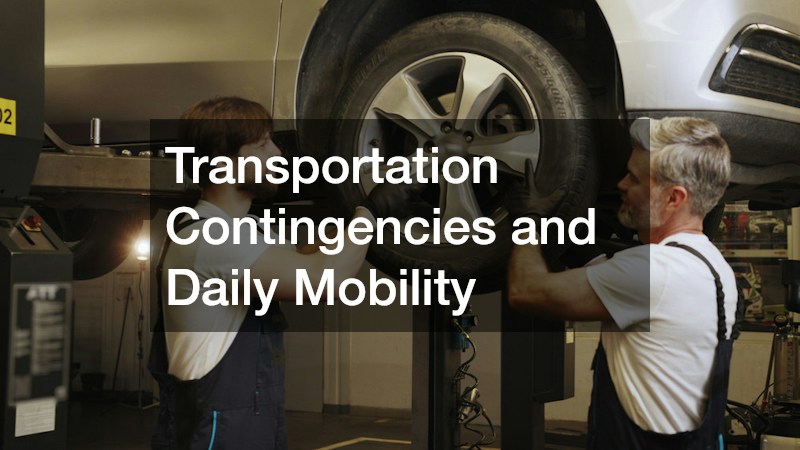
One of the harshest realities of building a modified car is the inevitability of unexpected downtime. Highly tuned vehicles require far more frequent maintenance, delicate calibration adjustments, and occasional component replacements compared to stock commuters. When your modified car is also your primary daily driver, a broken axle or a failing ECU flash can immediately disrupt your daily life.
Relying on a heavily modified project car for daily transportation forces you into making rushed, compromised repair decisions when parts fail. Waiting weeks for a custom-valved shock absorber, a custom-machined clutch flywheel, or a backordered fuel pump leaves you stranded if you do not have contingency transportation arrangements in place.
Budgeting for temporary car rentals keeps you mobile while your primary vehicle sits in a shop waiting for custom ECU recalibration or backordered parts. Maintaining a reliable, unmodified secondary vehicle for daily commuting duties allows you to take your time on your project car, ensuring every modification is installed, tested, and tuned correctly without time pressure.
- Plan for Supply Chain Delays: Custom, low-volume performance parts often carry long lead times compared to standard off-the-shelf OEM replacement parts.
- Factor Secondary Costs: Include the cost of towing services, loaner vehicles, and specialized transportation when budgeting for major build phases.
- Avoid Modifying Your Only Commuter: Keeping your primary daily driver stock ensures you always have reliable transportation to work, school, and family obligations.
The Balanced Build Blueprint: A Technician’s Recommended Sequence
To avoid the common pitfalls of chasing peak horsepower, experienced technicians recommend following a structured, phased approach to vehicle modification. Building a car in the correct sequence ensures that every component is prepared to handle increased stress before power is added.
First, begin with baseline maintenance. Address all fresh synthetic fluids across the engine, transmission, and differential, install fresh spark plugs, and verify compression and leak-down figures to confirm the engine is structurally sound.
Second, upgrade the chassis, braking, and traction components. Install sticky performance tires, perform a track-oriented alignment, upgrade to high-friction brake pads and fluid, and refresh worn suspension bushings to manage the added kinetic energy.
Third, install necessary supporting hardware. Add an upgraded intercooler, a high-efficiency radiator, an external oil cooler, a heavy-duty clutch assembly, and high-flow fuel delivery components to keep thermal and mechanical stresses within safe limits.
Finally, execute power adders and custom calibration. Install upgraded turbochargers, downpipes, or intake assemblies, and finish the build with professional custom dyno tuning and data logging to fine-tune fuel and ignition maps safely.
Building a fast, high-performance vehicle is an incredibly rewarding journey, but it requires respect for mechanical engineering principles. Peak horsepower is merely one variable in a complex equation of speed, control, and endurance. Chasing dyno figures without preparing the rest of your vehicle leads to premature mechanical failures, safety hazards, and financial frustration.
By shifting your focus toward balance—upgrading cooling systems, strengthening the drivetrain, installing sticky tires, and enhancing stopping power—you create a platform capable of handling increased engine output reliably. Treat your build as an integrated system, invest in quality supporting components, and partner with experienced professionals who prioritize safety and balance over short-term power gains.
When you respect the machine and follow a disciplined, engineered approach to modifications, you end up with more than just an impressive dyno sheet. You build a fast, responsive, and durable machine that provides genuine driving satisfaction every time you turn the key.